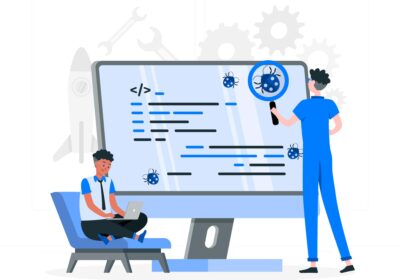
Every developer knows the feeling: you’re deep into a problem, tracing through code, holding dozens of connections in your working memory, then an urgent Slack ping, a Jira ticket reassignment, or a build alert yanks you out of the flow. By the time you return, it takes 15–30 minutes just to reload the mental state you had before. Multiply that by dozens of interruptions per week, across an entire team, and the productivity loss becomes staggering.
This is the unseen cost of context switching, a tax on developer focus that erodes velocity, code quality, and team morale.
Why Context Switching Hurts Developers More Than Other Roles
For knowledge workers in general, multitasking is inefficient. For developers, it’s worse because of the “flow state” dependency:
- Code requires cognitive immersion. A single bug fix can require holding variables, edge cases, system architecture, and business logic in working memory simultaneously.
- Flow state is fragile. Even minor interruptions, answering a quick question or checking an alert, reset this mental model.
- Time-to-resume is expensive. Research suggests developers can lose up to 40% of their productive time to context switching, with each disruption costing 15–30 minutes of recovery.
In other words, developer productivity is less about raw hours and more about protecting uninterrupted deep work.
The Hidden Costs of Context Switching at Scale
When context switching becomes the norm in engineering teams, the impact compounds:
- Reduced Velocity
Frequent interruptions extend delivery timelines, even if individual tasks seem small. - Lower Code Quality
Broken flow leads to half-finished thoughts, missed edge cases, and increased technical debt. - Burnout and Morale Issues
Constant context shifting makes developers feel like they’re “busy but not productive,” which drives disengagement. - Communication Overhead
Each switch often comes with coordination costs, meetings, status updates, or handovers, that compound the interruption.
Fixing the Context Switching Problem
Tackling context switching isn’t about eliminating collaboration or emergencies, it’s about designing systems that respect focus.
1. Adopt Maker vs. Manager Schedules
Borrowing Paul Graham’s framework:
- Maker schedules (developers) require long, uninterrupted blocks of time.
- Manager schedules (meetings, check-ins) can operate in shorter intervals.
Aligning calendars accordingly avoids chopping developer days into unusable fragments.
2. Streamline Tooling and Notifications
Too many tools = too many interruptions. Consolidate alerts, mute non-critical notifications, and implement “focus modes” to reduce noise.
3. Limit Work in Progress (WIP)
Encourage developers to finish what they start. Fewer simultaneous tasks mean fewer mental models to juggle.
4. Use Async Communication by Default
Shift from real-time pings to asynchronous updates (recorded demos, written updates, dashboards). This lets developers check in on their own time.
5. Build a Culture of Focus Respect
Leadership must model and protect focus time. That means questioning the necessity of meetings, setting “no-interruption” windows, and recognizing deep work as valuable output.
Protecting Focus Is the New Productivity Strategy
In 2025, software development isn’t constrained by a lack of tools, frameworks, or compute, it’s constrained by attention. The hidden cost of context switching is too high to ignore, and fixing it is one of the fastest ways to unlock productivity, improve code quality, and keep developers engaged.
The teams that win won’t be those that push developers to work longer hours, but those that design workflows where focus is the default, not the exception.